FILE No.176Unsolved
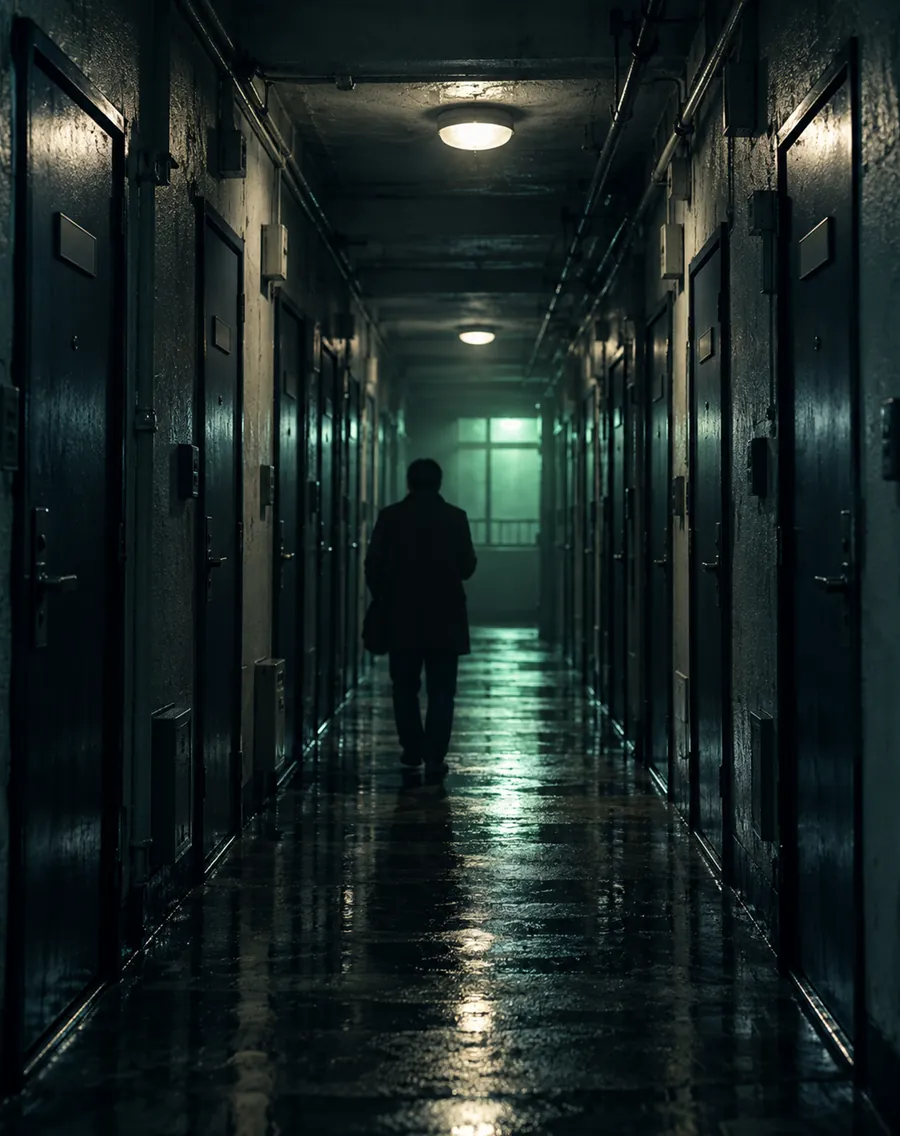
At a hotel, a guest, Mr. A, had valuables stolen. Mr. A was staying in Room 506. When the police examined the door marked "506," the door was locked and the room inside was not disturbed. The police recorded, "A locked room; no theft."
Later, however, a cleaner noticed that the door plates for Room 506 and Room 605 had been swapped. The real Room 605 is vacant and locked. Mr. A's room (the real Room 506) had not been properly closed when he left and was not locked.
What is the relationship between the room the police examined and the room where the theft actually occurred?
If you get stuck, open the hints one at a time, in order.
Do the door plates match the real rooms?
Which real room was the door the police examined?
Which room was not locked?
What is the relationship between the room the police examined and the room where the theft actually occurred?
Choose the answer closest to the truth.
The police examined the real Room 605, and the theft occurred in the real Room 506, which had the "605" plate
The answer is "The police examined the real Room 605, and the theft occurred in the real Room 506, which had the '605' plate."
Because the plates were swapped, the door marked "506" is the real Room 605. The police examined that locked, vacant room and recorded "nothing unusual."
The theft happened in the real Room 506, whose door was not locked. Its door carried the "605" plate, so no one examined it. The "locked" in the record was about a different room.
Because you take the door plate as the identity of the room.
The cases on this site are fictional puzzles created for entertainment. Any resemblance to real people, organizations or events is coincidental.
© Unsolved Files